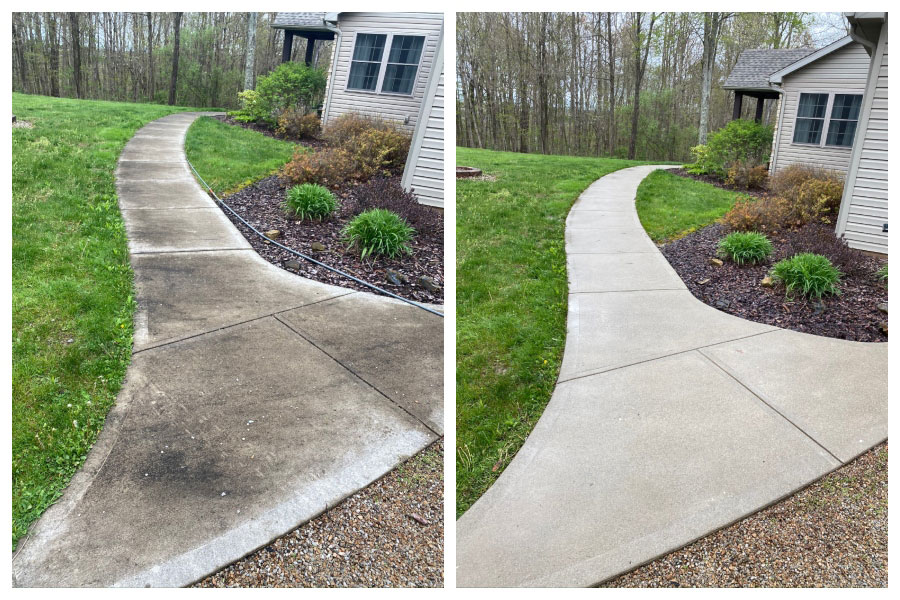
Driveway and Concrete Cleaning: A Practical Guide for Cleaner Outdoor Surfaces
A driveway can change the way a property looks before anyone reaches the front door. Over time, concrete collects dust, tyre marks, leaf stains, oil spots, moss and other grime that ordinary sweeping cannot remove. Regular Driveway and Concrete Cleaning helps bring back a cleaner appearance while making outdoor areas easier to maintain.
Concrete is strong, but it is not completely resistant to staining. Its porous surface can hold dirt and liquids, particularly when spills are left for too long. Weather can also leave outdoor surfaces looking dull. Rain, shade and nearby gardens may contribute to moss or organic growth, while busy driveways naturally collect marks from vehicles and foot traffic.
Why Does Concrete Become Dirty?
Outdoor concrete is exposed to more than everyday dust. Vehicles can leave small amounts of oil, grease and rubber residue. Soil can be tracked onto paths, while leaves and other organic material may sit in damp corners. These deposits become more noticeable as they build up.
Moss, algae and other growth can also develop where surfaces remain shaded or damp. This is particularly common around garden edges, beside fences and in areas that receive limited sunlight. If the surface stays wet for long periods, organic growth may return quickly after a basic clean.
What Can Driveway and Concrete Cleaning Remove?
A suitable Driveway and Concrete Cleaning process can deal with many common marks found on outdoor concrete. Surface dirt, dust and loose debris are usually straightforward. More stubborn areas may need additional treatment before the main wash.
Oil and grease require particular attention because they can penetrate porous concrete. Rust marks, leaf stains, moss and algae may also need different cleaning methods. Trying to remove every stain with maximum pressure is not always the best solution. The cleaning method should match the problem.
The age and condition of the concrete also matter. Cracks, damaged edges, loose aggregate and previous coatings can affect how the surface should be treated. A careful assessment before Driveway and Concrete Cleaning helps avoid using an unnecessarily aggressive method on a vulnerable area.
Benefits of Professional Concrete Cleaning
One of the clearest benefits is improved appearance. A clean driveway can make the front of a home look better without changing the actual driveway. Paths, patios and other concrete areas can also look more presentable when accumulated grime is removed.
Clean surfaces can also be easier to inspect. Cracks, damaged sections and drainage problems may be difficult to notice when a surface is heavily covered in dirt or organic growth. Driveway and Concrete Cleaning gives property owners a clearer view of the condition of the concrete.
There is also a practical safety consideration. Moss and algae can make some outdoor surfaces slippery, especially when wet. Removing built-up organic material can help reduce that problem, although cleaning is not a guarantee against slippery conditions.
How Is Driveway and Concrete Cleaning Usually Carried Out?
A professional service normally begins with an inspection of the surface. The cleaner needs to identify the material, check for damage and understand what types of stains are present. Nearby doors, walls, plants and drainage points should also be considered.
Loose debris can then be removed before the main Driveway and Concrete Cleaning begins. Depending on the surface, a suitable cleaning solution may be applied to loosen ingrained dirt, organic growth or specific stains. The goal is to prepare the surface rather than rely on pressure alone.
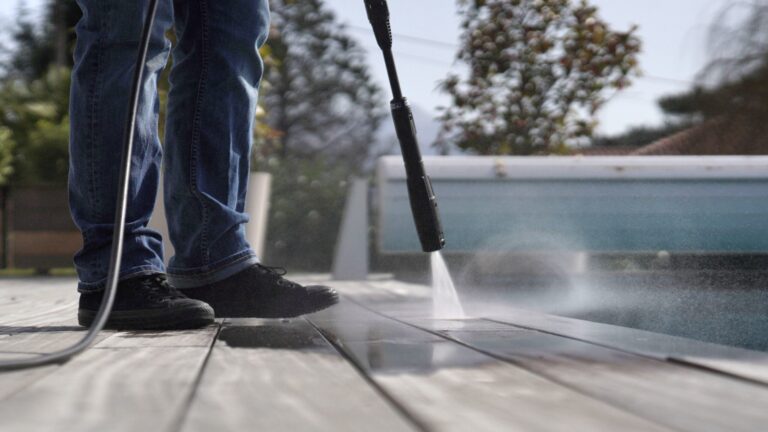
Pressure washing may then be used at an appropriate setting. Too much pressure, especially when used too closely, can damage concrete or leave visible cleaning marks. A controlled technique helps create a more even finish.
Driveway Cleaning and Water Runoff
Water management is an important part of outdoor Driveway and Concrete Cleaning. Dirty wash water can contain soil, oils, detergents and other contaminants. Allowing this water to flow directly into stormwater systems can create environmental problems.
The Victorian Government explains that stormwater can carry pollutants from hard surfaces and that local rules apply to water use and discharge. Before arranging exterior cleaning, property owners should also consider current water restrictions in their area. Rules can change according to local conditions.
For this reason, responsible Driveway and Concrete Cleaning should consider where wastewater will travel, not simply how quickly the surface can be washed. Good planning around drains, gardens and neighbouring areas can reduce unnecessary runoff and help protect local waterways.
When Should You Clean Your Driveway?
There is no single Driveway and Concrete Cleaning schedule that suits every driveway. A property surrounded by trees may need more frequent attention than a property with little vegetation. Homes in shaded or damp locations may also develop organic growth sooner.
A visual inspection is often the easiest starting point. If the concrete has become noticeably darker, developed moss or algae, or collected obvious stains, it may be time for Driveway and Concrete Cleaning. You can also include driveway cleaning as part of seasonal property maintenance.
Common Mistakes to Avoid
Using the strongest possible pressure is a common mistake. High pressure does not automatically mean better cleaning. If the equipment is used incorrectly, it can mark the surface, damage joints or remove more material than intended.
Another mistake is treating every stain in exactly the same way. Oil, rust, organic growth and general dirt have different characteristics. A method that works well for one type of stain may be ineffective or unsuitable for another.
Ignoring nearby drainage is another concern. Dirty wastewater should not simply be pushed towards a stormwater drain. Victoria’s water rules and local environmental requirements should be checked before using water to clean hard surfaces.
Finally, do not expect an old concrete driveway to look brand new after one service. Driveway and Concrete Cleaning removes contamination, but it cannot repair structural damage, replace worn concrete or completely remove every permanent stain.
Driveway and Concrete Cleaning for Different Areas
Driveways are not the only concrete surfaces that benefit from regular Driveway and Concrete Cleaning. Paths can collect dirt from shoes, gardens and surrounding soil. Patios can develop food marks, leaf stains and organic growth. Garage floors may collect oil and grease from vehicles.
Commercial properties may have larger hard-surface areas around entrances, walkways and service zones. These areas can require a planned Driveway and Concrete Cleaning approach so that access, safety and drainage are considered during the work.
| Surface Area | Common Problem | Suitable Cleaning Focus | Maintenance Tip |
| Driveway | Oil, tyre marks, dirt | Pre-treatment and controlled pressure cleaning | Remove spills early |
| Pathway | Soil, moss, algae | Surface cleaning and organic-growth treatment | Keep edges clear |
| Patio | Food marks, leaves, grime | Targeted stain treatment and washing | Sweep regularly |
| Garage floor | Oil, grease, dust | Degreasing and suitable pressure cleaning | Address fresh spills quickly |
| Concrete entrance | Foot traffic, dirt, weathering | Even surface Driveway and Concrete Cleaning | Schedule periodic inspections |
How to Prepare Before a Cleaning Service
Let the cleaner know about known problem areas, such as an old oil stain, rust mark or section where water tends to collect. Mentioning previous coatings, repairs or damage can also help the cleaning team choose a suitable approach.
It is also worth checking access to outdoor taps and ensuring gates or entry points are available. These simple steps can reduce delays and allow more attention to be given to the actual cleaning work.
Keeping Concrete Cleaner Afterward
Maintenance is easier when dirt is removed before it becomes heavily embedded. Sweep driveways and paths regularly, particularly during periods when leaves or garden debris are falling. Clear damp organic material from shaded corners rather than allowing it to sit for weeks.
Deal with spills promptly and avoid leaving soil piled against concrete edges. Check drainage points periodically so water can move away from the surface as intended. These small habits can help extend the clean appearance between professional services.
Professional Driveway and Concrete Cleaning can then be used when routine maintenance is no longer enough. Instead of waiting until the entire area looks heavily stained, property owners can arrange cleaning when the first signs of persistent grime or organic growth appear.
Choosing a Local Cleaning Service
When comparing cleaning providers, look beyond the equipment they use. Ask whether they inspect the surface before starting, how they approach different stains and what they do with wastewater. Clear answers can indicate a more considered service.
Insurance, experience, communication and attention to detail also matter. A reliable provider should be able to explain what can reasonably be achieved rather than promising that every stain will disappear.
Local knowledge can be useful as well. Conditions around Geelong, the Bellarine Peninsula and the Surf Coast can vary between properties, so a cleaning approach should take account of the surface, surroundings and local requirements.
A useful quote should explain what is included, identify any obvious limitations, and give you a clear idea of preparation, access and expected results before work begins on the property rather than relying on assumptions.
A cleaner driveway is not only about appearance. Proper maintenance can make outdoor areas look more cared for, improve visibility of surface condition and help manage unwanted organic growth. With the right method, Driveway and Concrete Cleaning can be a straightforward part of property maintenance.
If your driveway, pathway or concrete area has become stained, dull or difficult to maintain, contact Freshstart Property Services for a free quote. The team services Geelong, the Bellarine Peninsula and the Surf Coast and can discuss the most suitable cleaning option for your property.
Frequently Asked Questions
1. How often should a concrete driveway be cleaned?
The ideal frequency depends on traffic, weather, shade, trees and the condition of the surface. Many properties benefit from cleaning when visible grime, staining or organic growth becomes difficult to manage with routine sweeping.
2. Can pressure washing remove oil stains from concrete?
Pressure washing can help remove surface residue, but older oil stains may require a suitable pre-treatment. Results depend on how long the oil has been present and how deeply it has penetrated the concrete.
3. Is pressure washing safe for all concrete?
Not always. Damaged, cracked, coated or ageing concrete may need a gentler approach. The surface should be inspected first so the cleaning method and pressure can be selected appropriately.
4. Can concrete cleaning remove moss and algae?
Cleaning can remove existing moss, algae and other surface growth. However, these problems can return where moisture and shade remain. Regular maintenance can help keep the surface cleaner for longer.
5. Should I clean my driveway before selling my property?
It can be worthwhile. A cleaner driveway and entrance can improve the overall presentation of an outdoor area. Cleaning is particularly useful when the concrete has accumulated visible dirt, stains or organic growth.