End of Lease Cleaning: A Practical Guide for Geelong Renters
Moving out of a rental can feel like a race against the clock. Boxes are stacked near the door, the removalist is booked, keys need to be returned, and there is still a long list of cleaning jobs waiting to be done. That is where end of lease cleaning becomes important. A property that looks clean at first glance can still have grease around the kitchen, dust on skirting boards, marks on walls, grime in bathrooms or dirt trapped in carpets.
The final clean is not simply about making a home look presentable for the next occupant. It is about leaving the property in the condition required under the rental agreement, while allowing for fair wear and tear. In Victoria, renters generally need to leave a property reasonably clean and in the same condition as when they moved in, taking fair wear and tear into account.
For anyone preparing for a move around Geelong, Bellarine or the Surf Coast, a structured approach can make end of lease cleaning much easier. Instead of rushing through every room on moving day, you can work through the property methodically and catch the small details that are often missed.
What Does End of Lease Cleaning Involve?
End of lease cleaning is a detailed clean completed before a renter hands a property back to the owner or property manager. Unlike a normal weekly clean, it focuses on areas that may have accumulated dirt during the tenancy and surfaces that are checked during the final inspection.
The exact requirements can vary depending on the rental agreement, the original condition of the property and the level of cleaning required. This is why renters should compare the property with their entry condition report rather than assuming that every mark or sign of use must be removed.
A good end of lease cleaning checklist usually covers kitchens, bathrooms, bedrooms, living areas, floors, windows and outdoor areas where applicable. Appliances, cupboards, skirting boards, doors and hard-to-reach corners can also need attention.
Why a Detailed Final Clean Matters
A rushed clean can leave behind obvious problems. Grease around a cooktop, soap residue in a shower or dust along window tracks may be easy to overlook when you are concentrating on packing.
A detailed end of lease cleaning routine gives you an opportunity to deal with those areas before the final inspection. It can also make the handover less stressful because you have a clear record of what you have cleaned and checked.
In Victoria, Consumer Affairs Victoria explains that the exit condition report is used to record the condition of the property when a rental agreement ends. The property should be left reasonably clean and in the same condition as at the start, allowing for fair wear and tear.
This distinction matters. Cleaning responsibilities are not the same as repairing damage or correcting normal deterioration caused by reasonable use.
Build Your Cleaning Plan Before Moving Day
Trying to complete everything on the final morning is one of the easiest ways to miss important areas. Start several days ahead if possible and separate cleaning tasks from packing tasks.
A useful approach is to clean rooms as they become empty. Once furniture and personal belongings are removed, floors, cupboards, walls and corners become much easier to access.
Keep your cleaning products together and work from the top of a room downwards. Dust shelves and fittings first, then clean surfaces before finishing with floors. This prevents dust and debris from landing on areas you have already cleaned.
If the property needs additional services such as carpet steam cleaning, window cleaning or rubbish removal, arrange those jobs before the final inspection rather than leaving them until the last minute.
Room-by-Room End of Lease Cleaning Checklist
Every property is different, but a room-by-room approach helps create a more reliable routine.
Kitchen
Kitchens often require more time than expected because cooking creates grease and residue. Clean benchtops, splashbacks, cupboards, drawers, sinks and taps thoroughly. Pay attention to handles, corners and the areas around appliances.
The cooktop, rangehood and oven should receive particular attention if they formed part of the rental property. Remove loose debris before tackling grease and baked-on residue.
Do not forget cupboard interiors if they are empty. Wipe shelves, drawer edges and corners where crumbs can collect.
Bathrooms
Bathrooms should be checked for soap residue, mould, hair, water marks and built-up grime. Clean the shower screen, tiles, basin, vanity, toilet, taps and mirrors.
Look closely at corners and joins rather than only cleaning the large visible surfaces. A bathroom can look clean from the doorway while still having residue around taps, drains or shower edges.
Ventilation areas can also collect dust. If accessible and safe to clean, include them in the final check.
Bedrooms and Living Areas
Once furniture has been removed, vacuum or clean floors thoroughly. Dust skirting boards, doors, window sills and other surfaces that may have been hidden behind furniture.
Check walls for removable marks and clean suitable surfaces carefully. Avoid aggressive products that could damage paint or finishes.
Built-in wardrobes should also be emptied and wiped inside. Pay attention to tracks, shelves and corners where dust tends to gather.
Floors and Carpets
Floors receive plenty of attention during a final inspection because dirt and stains can become more visible after furniture is removed.
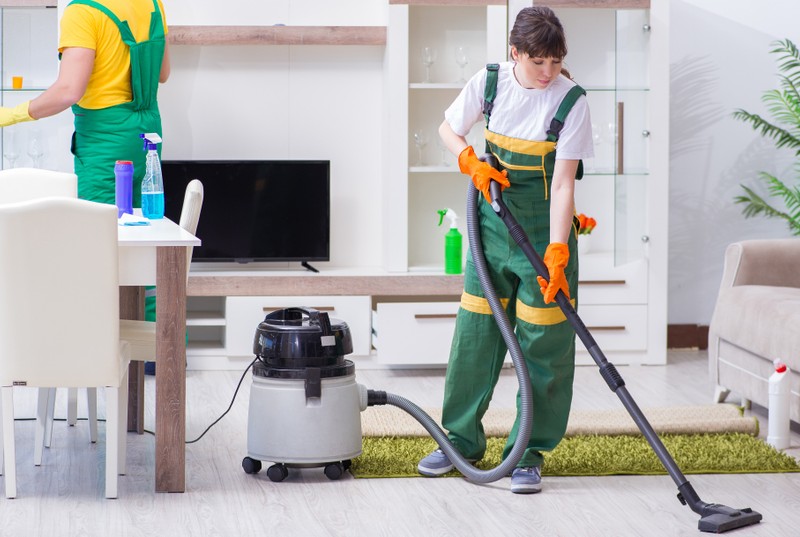
Vacuum carpets slowly, especially along edges and around skirting boards. If carpets have accumulated significant dirt during the tenancy, professional carpet steam cleaning may provide a deeper clean than standard vacuuming.
Hard floors should be swept or vacuumed before mopping. Choose a cleaning method suitable for the flooring material so that moisture does not cause damage.
The Areas People Commonly Forget
Some of the biggest cleaning problems are not located in the middle of a room. They are often found in small areas that receive little attention during everyday cleaning.
These include:
- Window tracks, frames and sills
- Skirting boards and door frames
- Light switches and door handles
- Behind and underneath movable appliances
- Inside empty cupboards and drawers
- Exhaust fans and accessible vents
- Shower screens and bathroom corners
- Garage floors and storage areas
- Outdoor paths, patios and entry areas
- Rubbish left behind after moving
Working through these areas as part of your end of lease cleaning process can make the final inspection much easier.
When Should You Consider Professional Cleaning?
There is no single answer for every rental property. Some homes can be cleaned effectively by the occupants, while others require more time, equipment or specialist attention.
Consider professional help when the property is large, the tenancy has lasted for several years, carpets need deeper cleaning, windows have significant buildup, or the move-out deadline is tight.
Professional end of lease cleaning can also be useful when you need several property services coordinated around the same move. Instead of arranging every task separately, you can plan the work according to the condition of the property and your inspection deadline.
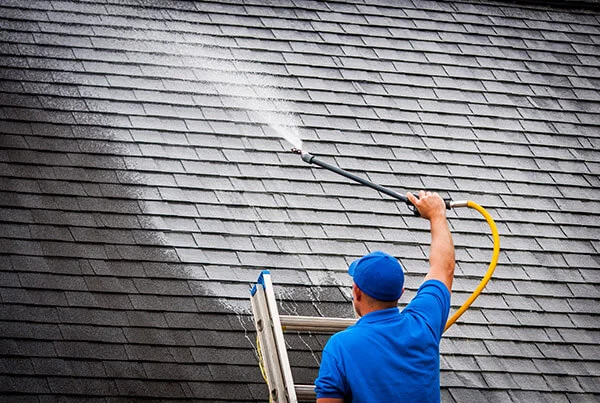
For example, a property may need general cleaning alongside carpet steam cleaning, rubbish removal and exterior pressure washing. The website’s service range includes these types of cleaning and property maintenance solutions across the local service area.
End of Lease Cleaning vs Regular Cleaning
| Cleaning Area | Regular Cleaning | End of Lease Cleaning |
| Kitchen surfaces | Routine wiping | Detailed cleaning of surfaces, cupboards and appliances |
| Bathroom | General maintenance | Deeper cleaning of tiles, fittings, shower areas and corners |
| Floors | Vacuuming and mopping | Detailed cleaning after furniture is removed |
| Carpets | Regular vacuuming | May require professional steam cleaning |
| Windows | Occasional cleaning | Frames, glass, sills and tracks may need attention |
| Cupboards | Usually limited | Empty interiors should be checked and cleaned |
| Skirting boards | Occasional dusting | Detailed inspection and cleaning |
| Outdoor areas | Routine maintenance | Remove rubbish, dirt and visible buildup where required |
| Final inspection | Not applicable | Property checked against the condition and agreement |
The key difference is the level of detail. Regular cleaning keeps a property manageable during the tenancy, while end of lease cleaning prepares it for handover.
Check Your Entry Condition Report
Before starting the final clean, find your original condition report. It provides a useful reference for understanding how the property looked at the beginning of the tenancy.
Take photos after cleaning, particularly in areas that required significant work. Keep copies of relevant documents and any communication with the property manager.
It is also worth checking your rental agreement for specific requirements. Cleaning obligations can vary, and professional cleaning is not automatically required in every situation.
Consumer Affairs Victoria states that additional requirements around professional cleaning can apply to rental agreements made from 29 March 2021, but a rental provider cannot simply require professional cleaning in every circumstance. For official information about renting and moving out in Victoria, check the Consumer Affairs Victoria renters guide.
Plan the Final Inspection Around Your Cleaning
Timing matters. Ideally, finish the main cleaning after your furniture and belongings have been removed. This gives you a clearer view of floors, walls, cupboards and other surfaces.
Allow enough time for the property to dry before the final inspection. This is particularly important after carpet cleaning, mopping or exterior washing.
Walk through the property slowly and inspect it as though you were seeing it for the first time. Open cupboards, look behind doors and check corners. Small details are easier to spot when the rooms are empty.
If you notice something after your first walkthrough, fix it before returning the keys where practical.
Make Moving Day Less Stressful
Good preparation can reduce the pressure that often comes with moving. Start with the areas that are least likely to be used during the final days of the tenancy, then complete kitchens, bathrooms and floors once the property is nearly empty.
Keep a simple checklist on your phone and mark each room as it is completed. If several people are helping, divide the property into zones instead of having everyone clean the same areas.
Do not forget rubbish. Moving often produces more waste than expected, and leftover boxes, unwanted furniture or household items can make an otherwise clean property look unfinished.
Arranging rubbish removal and other property services early can help you avoid trying to solve everything on the day of handover.
A Final Walkthrough Before You Leave
Before locking the door for the last time, complete one final walkthrough.
Check that personal belongings have been removed, rubbish has been taken away, cupboards are empty and surfaces are clean. Look at the property from different angles and inspect areas that were hidden by furniture.
Compare the finished property with your original condition report and any cleaning instructions in your agreement.
A calm final inspection is much easier when you have not left every task until the final hour. Good end of lease cleaning is ultimately about preparation, attention to detail and leaving the property ready for the next stage.
Conclusion
Moving out is demanding enough without discovering a list of cleaning jobs at the last minute. A planned end of lease cleaning routine gives you a practical way to work through each room, identify overlooked areas and prepare the property for its final inspection.
For reliable cleaning and property maintenance across Geelong, the Bellarine Peninsula and Surf Coast, FreshStart Property Services provides a range of services designed to help make property turnovers simpler. You can request a free quote and discuss the cleaning support your property needs before handover.
FAQs
1. What is included in end of lease cleaning?
It generally involves a detailed clean of the property before handover, including kitchens, bathrooms, floors, surfaces, cupboards and other areas that may need attention. The exact requirements depend on the property and rental agreement.
2. Do I need professional end of lease cleaning?
Not necessarily. The need for professional cleaning depends on the property’s condition, your rental agreement and the cleaning standard required at the end of the tenancy. In Victoria, renters generally need to leave the property reasonably clean and in the same condition as when they moved in, allowing for fair wear and tear.
3. Should carpets be professionally cleaned before moving out?
It depends on the condition of the carpets and the requirements of your agreement. If carpets have significant dirt or staining, professional carpet steam cleaning may be worth considering as part of the final preparation.
4. How can I avoid missing areas during end of lease cleaning?
Use a room-by-room checklist and inspect less obvious areas such as window tracks, skirting boards, cupboard interiors, door frames and behind appliances. Completing a final walkthrough after everything has been removed can also reveal missed spots.
5. Can cleaning affect my rental bond?
A property’s condition can be considered when a bond claim is made. In Victoria, a rental provider may make a claim where a renter has not left the property reasonably clean, while fair wear and tear is treated differently. Check the official requirements and your condition report before making assumptions about your bond.