
Commercial Cleaning Geelong: A Practical Guide for Cleaner Workplaces
Walk into a workplace after a busy Monday morning and you can usually tell how hard the building has been working. Bins are fuller, fingerprints have appeared on doors, floors have picked up dirt and the staff kitchen may need more attention than it did on Friday afternoon.
That is normal. Offices, shops, medical practices, warehouses and other commercial spaces experience constant foot traffic. People move between rooms, customers come through entrances, staff use shared facilities and dust settles on surfaces throughout the day. Keeping everything presentable is not a one-off job.
This is where Commercial Cleaning Geelong becomes useful. A planned cleaning routine helps businesses maintain their premises without asking employees to spend valuable working hours dealing with bathrooms, floors, kitchens and common areas.
Professional cleaning is also about more than making a room look tidy. A well-maintained workplace can support better hygiene, reduce avoidable housekeeping issues and create a more comfortable environment for employees and visitors.
Why Commercial Cleaning Matters for Local Businesses
Every business has different cleaning requirements. A small office with ten employees will not need the same routine as a busy retail store, warehouse or large commercial building.
The amount of foot traffic is one factor. So are the number of bathrooms, kitchen facilities, meeting rooms and shared work areas. Businesses that operate for long hours may also need cleaning outside normal office times so staff can work without unnecessary interruptions.
WorkSafe Victoria recommends that employers arrange general workplace cleaning while considering the hygienic upkeep of high-use areas such as dining areas, toilets, hand basins and showers. It also notes that housekeeping arrangements should take account of factors such as shift work, the type of work being performed and employee numbers.
That makes a structured cleaning plan more practical than simply cleaning whenever something looks dirty.
What Does Commercial Cleaning Include?
There is no universal checklist that works for every property. A good cleaning program should reflect how the premises are actually used.
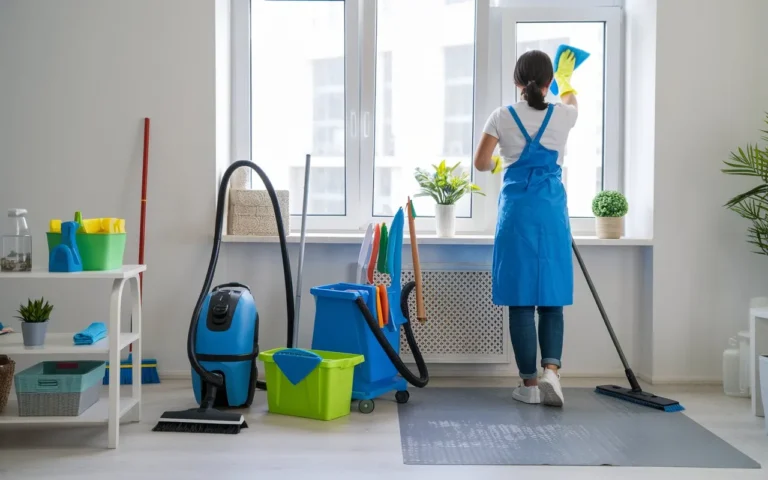
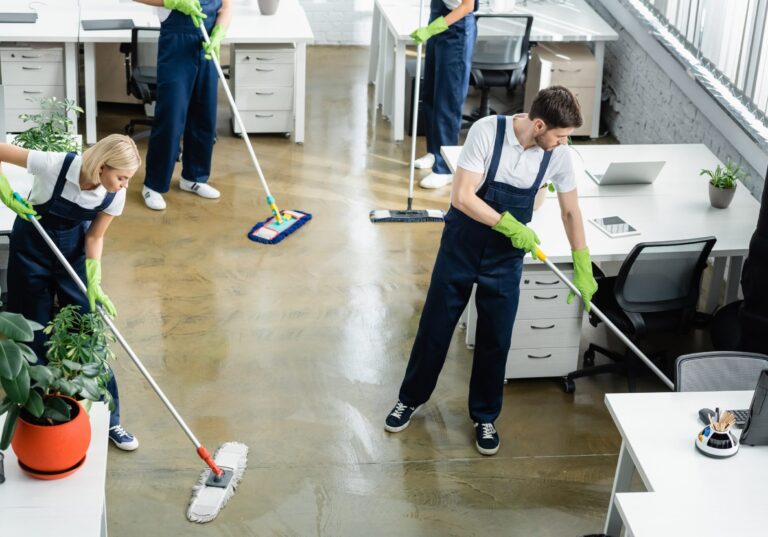
For an office, routine work may include vacuuming carpets, mopping hard floors, wiping desks and shared surfaces, cleaning bathrooms, emptying bins and maintaining kitchen areas.
Retail premises may need greater attention around entrances, display areas, counters and customer-accessible surfaces. Warehouses have different priorities, with floors, staff facilities, storage areas and high-traffic zones often requiring regular attention.
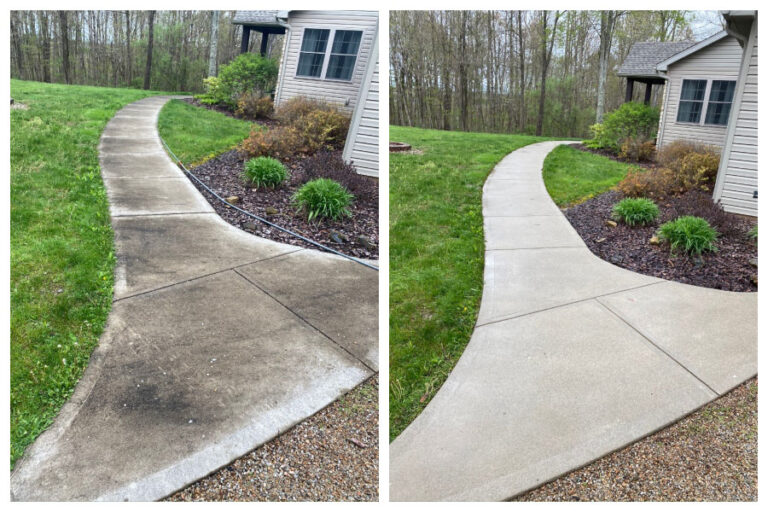
Some businesses may also require periodic services such as carpet cleaning, window cleaning, pressure washing or detailed cleaning of areas that are not part of the daily routine.
The important point is consistency. A workplace should not depend on someone noticing a problem before it gets cleaned.
Common Areas That Need Regular Attention
Some parts of a commercial property naturally collect more dirt and bacteria than others.
Entranceways are a good example. Customers and employees bring dust, moisture and outdoor debris inside throughout the day. During wet weather, floors can become particularly difficult to maintain.
Bathrooms also require consistent attention. Toilets, sinks, taps and surrounding surfaces should be cleaned according to the property’s usage and cleaning requirements.
Shared kitchens deserve similar care. Benches, sinks, appliances and tables can quickly accumulate food residue, grease and general grime.
High-touch surfaces are another consideration. Door handles, switches, shared equipment and other frequently handled areas can become dirty quickly in busy workplaces.
Victoria’s Department of Health recommends routine cleaning schedules that consider building usage and frequently touched surfaces, with cleaning frequency increased where circumstances require it.
Commercial Cleaning Geelong: What Should a Cleaning Plan Cover?
A useful cleaning plan should answer a few straightforward questions: what needs cleaning, how often should it be cleaned, which products are appropriate and who is responsible for the work?
For some businesses, daily cleaning may be appropriate. Others may need a combination of daily, weekly and periodic tasks.
A professional cleaner can help divide these responsibilities into manageable schedules rather than treating every part of the building as though it needs the same level of attention every day.
A practical workplace cleaning bulletin
- Entrances: Remove visible dirt, dust and moisture regularly.
- Bathrooms: Clean toilets, basins, floors and frequently touched fittings.
- Kitchens: Wipe food preparation areas, sinks, tables and appliances.
- Floors: Vacuum carpets and mop hard surfaces according to traffic levels.
- Bins: Empty waste containers before they become overfilled.
- High-touch surfaces: Give handles, switches and shared surfaces appropriate attention.
- Staff areas: Keep lunchrooms and shared spaces clean and usable.
- Periodic areas: Schedule deeper cleaning rather than allowing neglected areas to build up.
The benefit of having this written down is simple: cleaning becomes a routine rather than a last-minute reaction.
Choosing the Right Cleaning Frequency
Not every workplace needs cleaners at the same frequency.
A quiet office with limited staff might only need thorough cleaning a few times a week. A busy retail environment with customers entering throughout the day may require more frequent attention to entrances, floors and high-touch areas.
Medical and care-related environments can have more specialised requirements. Food businesses also need cleaning and sanitising procedures that reflect food safety obligations.
The size of the property is another consideration. A small office may be cleaned relatively quickly, while a large facility with multiple bathrooms, kitchens and work zones needs more time and planning.
The right question is not simply, “How often should we clean?” It is, “How quickly does this particular workplace become dirty, and what level of cleanliness does the business require?”
Benefits of Hiring Professional Commercial Cleaners
One obvious benefit is time.
Employees generally have their own responsibilities. Asking them to regularly vacuum floors, clean bathrooms or maintain shared facilities takes time away from their normal work.
A professional cleaning team can take over these tasks according to an agreed schedule.
There is also the benefit of consistency. When cleaning is assigned to a dedicated service, there is less reliance on whoever happens to notice that the kitchen needs attention.
Professional cleaners can also bring appropriate equipment and established cleaning processes. This can be especially useful for larger premises or surfaces that require specialist treatment.
Perhaps most importantly, professional cleaning gives business owners a clearer way to manage the standard of their premises.
Workplace Hygiene Is About More Than Appearance
A clean workplace obviously looks better, but appearance is only one part of the picture.
Dust, dirt, food residue and grime can accumulate on surfaces when cleaning is irregular. Shared areas can become unpleasant, and neglected bathrooms or kitchens can quickly affect how people feel about the workplace.
Victoria’s Department of Health explains that thorough cleaning is important for infection control because dust, soil and microbes on surfaces can contribute to transmission. Its guidance also recommends written cleaning protocols covering methods and frequency.
For ordinary commercial premises, this does not mean every surface needs constant disinfection. Routine cleaning with appropriate products is often the starting point. The cleaning approach should match the type of workplace and the risks involved.
A High-Value Cleaning Comparison
| Commercial Area | Typical Cleaning Needs | Suggested Focus | Why It Matters |
|---|---|---|---|
| Office | Floors, desks, bathrooms, kitchen | Daily or scheduled routine cleaning | Keeps shared spaces comfortable |
| Retail Store | Floors, entrances, counters, customer areas | High-traffic cleaning | Supports presentation and customer experience |
| Warehouse | Floors, amenities, staff areas | Dust and debris control | Helps maintain an organised workplace |
| Medical/Professional Practice | Surfaces, waiting areas, bathrooms | Careful routine cleaning | Supports hygiene and professional presentation |
| Restaurant/Food Business | Food areas, floors, equipment | Cleaning and sanitising | Supports food safety practices |
| Corporate Building | Offices, lifts, bathrooms, common areas | Structured cleaning schedule | Maintains consistency across large premises |
| Showroom | Floors, glass, displays, customer areas | Detail-focused cleaning | Keeps presentation at a high standard |
The table also highlights why simply choosing the cheapest cleaning schedule is not always the most sensible approach. A workplace’s cleaning needs depend on how it is used.
What Should You Look for in a Commercial Cleaning Company?
Price will naturally matter when comparing cleaning services, but it should not be the only consideration.
Start by looking at whether the provider understands commercial environments. Cleaning a workplace is different from cleaning a private home. There may be staff schedules, access arrangements, security requirements, shared facilities and specific areas that need attention.
Communication is important too. A reliable provider should be able to explain what is included in the service and how often particular tasks will be completed.
It is also worth asking how the cleaning team handles products and equipment. WorkSafe Victoria notes that some cleaning agents may be hazardous substances and that workplaces have specific obligations when hazardous substances are involved.
A professional service should take safe handling seriously rather than treating cleaning chemicals as an afterthought.
How Commercial Cleaning Can Support Staff
Employees notice their surroundings more than business owners sometimes realise.
A dusty desk, overflowing bin or dirty lunchroom may not stop someone from doing their job, but repeated issues can make the workplace feel neglected.
Clean shared spaces can make everyday routines easier. Staff can use kitchens and bathrooms comfortably, meeting rooms can be prepared for visitors and work areas can remain more orderly.
This does not mean cleaning alone determines employee satisfaction. It simply removes one avoidable source of frustration.
A sensible cleaning schedule also means employees do not have to regularly organise informal cleaning duties among themselves.
Cleaning High-Traffic Areas
High-traffic areas usually need more attention than rooms that are rarely used.
An entrance might collect dirt throughout the day, while a meeting room used once a week may remain relatively clean between visits.
Rather than applying the same frequency everywhere, businesses can prioritise according to usage.
Floors near entrances may need more frequent vacuuming or mopping. Bathroom facilities may need regular checks. Shared kitchens can require attention after busy periods.
This approach can make commercial cleaning more efficient because time is spent where it has the greatest practical impact.
Don’t Forget Periodic Deep Cleaning
Routine cleaning keeps a workplace under control, but some jobs need to happen less frequently.
Carpets may need deeper cleaning after prolonged use. Windows can accumulate dust and marks. High or difficult-to-reach surfaces can gradually collect grime. Behind furniture and equipment can also become neglected.
These areas are easy to forget because they are not always visible during normal working hours.
Including periodic cleaning in the overall maintenance plan prevents the workplace from becoming clean only at eye level.
A useful schedule might therefore combine routine cleaning with monthly, quarterly or seasonal tasks depending on the building.
How to Keep Commercial Cleaning Costs Under Control
Saving money does not necessarily mean reducing cleaning until only the most obvious tasks remain.
A better approach is to match the cleaning frequency to actual usage.
For example, a small meeting room that is rarely occupied may not need the same daily treatment as a busy reception area. Likewise, a warehouse may benefit more from targeted floor maintenance than from spending excessive time on areas that receive little traffic.
Businesses can also reduce unnecessary cleaning problems by encouraging staff to keep shared areas orderly. Simple measures such as using bins correctly, cleaning up spills promptly and keeping food contained can make professional cleaning more effective.
The goal should be an efficient cleaning program rather than simply the lowest possible price.
Why Local Knowledge Can Be Useful
Working with a local cleaning provider can make communication easier. Scheduling, access arrangements and changes to the cleaning routine can often be discussed directly.
A local team may also understand the types of commercial properties common in the Geelong area and the practical challenges associated with them.
This does not automatically make one provider better than another. What matters is whether the service can deliver the frequency, scope and standard your workplace actually needs.
Before agreeing to ongoing cleaning, businesses should make sure the scope of work is clear.
What a Good Cleaning Service Should Provide
A dependable commercial cleaning arrangement should be straightforward.
You should know which areas are included, how often they will be cleaned and what additional services are available if your requirements change.
The service should also have a sensible process for handling issues. If a business notices that a particular area needs more frequent cleaning, there should be a way to adjust the schedule.
The best cleaning arrangements are rarely complicated. They are consistent, clearly communicated and suited to the property.
Final Thoughts
A clean workplace does not happen by accident. Floors collect dirt, bathrooms need regular attention, kitchens become busy and shared surfaces are handled repeatedly throughout the day. Without a proper routine, small cleaning problems can quickly become part of the working environment.
The right Commercial Cleaning Geelong plan should reflect the size, purpose and traffic level of the property. Some businesses need daily cleaning, while others may benefit from a less frequent schedule combined with periodic deep cleaning.
The focus should be on consistency rather than simply making the property look presentable before an important visitor arrives.
For businesses wanting a structured approach to workplace maintenance, Fresh Start Property Services can help businesses review their cleaning requirements and arrange suitable property services.
For businesses considering professional support, you can review the commercial cleaning and property services available and contact the provider through its contact page.
Frequently Asked Questions
1. What does commercial cleaning in Geelong usually include?
Commercial cleaning can include vacuuming, mopping, dusting, bathroom cleaning, kitchen cleaning, rubbish removal and cleaning of shared areas. The exact scope depends on the type and size of the business.
2. How often should a commercial workplace be cleaned?
The ideal frequency depends on staff numbers, customer traffic, the type of business and how quickly the premises become dirty. Some workplaces require daily cleaning, while others may need several visits each week.
3. Is professional commercial cleaning worth it for a small office?
It can be useful because employees do not need to spend working hours handling routine cleaning tasks. A professional schedule can also provide greater consistency across bathrooms, floors, kitchens and shared areas.
4. What should businesses consider when choosing commercial cleaners?
Look at experience, service scope, cleaning frequency, communication, chemical-handling practices and flexibility. Make sure you understand exactly what is included before agreeing to an ongoing service.
5. Can commercial cleaners provide deep cleaning as well as routine cleaning?
Many commercial cleaning providers offer both routine and periodic services. Deep cleaning may include carpets, windows, detailed bathroom cleaning and other areas that do not need attention during every regular visit.