
Post-Construction Cleaning: Preparing Your Property for Handover
The builders have finished, the tools have been packed away, and the renovation or construction work is finally complete. You walk into the property expecting to enjoy the finished result, only to notice a fine layer of dust on the windowsills, marks on the floors and leftover residue around the kitchen fittings. The rooms may look complete, but they are not quite ready for people to move in.
This is a common situation after building work. Cutting, sanding, drilling, plastering and painting can leave behind dust and debris that spread well beyond the immediate work area. Even a newly built home can require considerable attention before it feels genuinely clean.
Post-Construction Cleaning addresses the mess left behind by construction and renovation activities. It involves removing accumulated dust, cleaning surfaces, treating suitable flooring, detailing fixtures and preparing the property for its next stage. Depending on the condition of the site, the work may also include cleaning windows, removing suitable adhesive residue and tidying accessible areas.
For homeowners, builders, landlords and commercial property managers, a proper final clean helps present the finished work in its best condition. It also saves time that would otherwise be spent working through each room with ordinary household cleaning equipment.
Why Is Post-Construction Cleaning Important?
Construction work produces different types of mess, and each requires an appropriate cleaning method. Fine plaster dust behaves differently from dried paint marks, while adhesive residue on glass may need a different treatment from dirt on a tiled floor.
Simply sweeping the floors and wiping visible surfaces will not necessarily address the problem. Dust can settle on door frames, light fittings, cabinet interiors, window tracks and other areas that are easy to overlook during a quick tidy-up.
A thorough clean makes the property more comfortable to occupy and helps reveal the finished surfaces more clearly. This matters when a homeowner is preparing to move in, a builder is organising a handover or a business is getting ready to open its doors.
There is also a practical consideration: construction residue should be handled carefully. Using an abrasive pad on glass, an unsuitable chemical on a benchtop or excessive moisture on timber flooring can cause damage. Knowing which products and techniques are appropriate for each material is an important part of achieving a good result.
The aim is not simply to make the building look tidy. It is to leave accessible surfaces clean, remove the remaining construction-related mess and prepare the space for its intended use.
What Does a Professional Construction Clean Include?
The exact scope depends on the building, the type of work completed and the condition of the site. A recently renovated bathroom may need detailed cleaning around fixtures and tiles, whereas a newly built home may require attention throughout every room.
A professional assessment helps establish which tasks are needed and whether any areas require specialist treatment.
1. Dust Removal from Surfaces and Fixtures
Fine dust is often the most noticeable problem after construction. It can settle on shelves, skirting boards, door frames, switches, cabinetry and other surfaces, even when the main building work has finished.
Cleaning usually starts with accessible higher surfaces before progressing downwards. This reduces the likelihood of dust falling onto areas that have already been cleaned.
Suitable vacuuming equipment and microfibre cloths can help collect dust without simply moving it from one place to another. Particular care is needed around electrical fittings, delicate finishes and newly installed equipment.
2. Kitchen and Bathroom Detailing
Kitchens and bathrooms often need careful attention because they contain multiple finishes in a relatively small space.
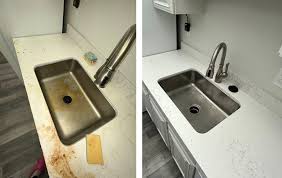
Cabinet fronts, benchtops, sinks, taps, splashbacks, shower screens and other fittings may have collected dust during installation. Where included in the agreed scope, cabinet interiors can also be checked for leftover debris.
Cleaning products must suit the surface being treated. Natural stone, coated fittings and certain glass finishes can be damaged by inappropriate chemicals or abrasive tools.
A methodical approach helps remove construction residue while protecting the new fixtures.
Construction dust needs to be handled carefully, particularly when building work involves concrete, tiles, bricks or other materials that may generate hazardous particles. For more information about workplace dust hazards and suitable control measures, refer to the Australian Government guidance on construction dust safety published by Safe Work Australia.
3. Window and Glass Cleaning
Windows can show dust, fingerprints, plaster marks and adhesive left from installation. Tracks and frames may also collect debris while tradespeople work around them.
Glass cleaning requires care because scraping or using the wrong cleaning solution can scratch or damage some surfaces. Any stickers, paint marks or adhesive should be assessed before removal rather than attacked with a blade or harsh chemical.
A proper finish should account for the glass, accessible frames and tracks included in the service agreement. External windows may require a separate arrangement depending on accessibility and site conditions.
4. Floor Cleaning and Surface Care
Floors often carry a mixture of fine dust, footprints, small debris and residue from building work. The correct cleaning method depends on whether the property has tiles, timber, vinyl, polished concrete, carpet or another surface.
Hard floors may require careful vacuuming followed by suitable damp cleaning. Carpeted areas may need thorough vacuuming, with additional treatment considered if the work has left embedded dust or marks.
The important point is to avoid using a single method across every floor type. Excess water, harsh chemicals and abrasive equipment can damage newly installed finishes.
5. Final Detailing Before Handover
The last stage involves checking the cleaned areas for overlooked marks, remaining dust and visible residue. This may include accessible ledges, doors, fittings, corners and other finishing details.
A final walkthrough helps identify areas that need another pass before the property is presented to its owner, tenant or client.
The cleaning team should also distinguish between removable dirt and defects that require a builder or tradesperson to investigate. Scratches, chipped finishes, damaged fittings and incomplete work are not cleaning issues and should be documented or reported appropriately.
Post-Construction Cleaning Checklist for Different Properties
Different projects have different priorities. A small apartment renovation may generate concentrated dust in a few rooms, while a new commercial building can involve multiple floors, extensive glazing and large areas of hard flooring.
The following comparison explains how cleaning requirements can change depending on the property.
| Property type | Main cleaning priorities | Important finishing details | Intended outcome |
|---|---|---|---|
| Newly built home | Dust removal, floor cleaning and surface detailing | Windows, cabinetry, doors and accessible fittings | Ready for owner inspection and move-in preparation |
| Renovated house | Residue from sanding, painting and installation | Protect existing finishes and clean affected rooms | A clean, comfortable living environment |
| Apartment development | Consistent cleaning across individual units and shared areas | Kitchens, bathrooms, glass and common surfaces | More consistent presentation across the development |
| Commercial fit-out | Dust and debris from interior installation | Workstations, glass partitions, floors and accessible fixtures | A cleaner space for operational preparation |
| Retail premises | Floor residue, display-area dust and glass marks | Entry areas, counters and customer-facing surfaces | A presentable environment before opening |
| Office renovation | Fine dust around fittings and newly installed surfaces | Meeting rooms, desks, partitions and flooring | A cleaner workspace before staff return |
This table is a planning guide rather than a fixed service specification. The actual scope should be agreed upon after considering the size of the property, the work completed and any access restrictions.
When Should You Arrange a Builders Clean?
Timing can affect the quality and efficiency of the final result. Arranging a clean while tradespeople are still generating dust can mean that recently cleaned areas become dirty again.
For this reason, the final clean is generally best scheduled after dusty construction tasks and major installation work have finished. The site should be sufficiently clear for cleaning staff to access the agreed areas safely.
Some projects benefit from more than one cleaning stage. A rough clean can remove larger debris during the construction process, while a more detailed clean takes place closer to completion. A final touch-up may be needed if additional trades return to the property after the main clean.
When planning Post-Construction Cleaning, consider the handover date, access arrangements, outstanding work and the time required for the property to be inspected. Let the cleaning provider know if builders, electricians, painters or other contractors are still expected on site.
It is also worth clarifying who is responsible for removing construction waste. Ordinary cleaning and the removal of large or regulated waste are different tasks, and not every cleaning package includes disposal of building materials.
Clear scheduling helps everyone understand what needs to happen before the property is considered ready.
Can You Clean a Newly Renovated Property Yourself?
For a small project, cleaning the affected room yourself may be manageable. If a bathroom has been updated or a single room repainted, basic dusting, vacuuming and careful surface cleaning might be enough to restore order.
Larger projects are a different matter. Construction dust can spread through adjoining rooms, settle on high surfaces and accumulate in places that require more time and suitable equipment to clean properly.
There is also the question of surface protection. Newly installed flooring, glass, stone benchtops and painted finishes can be vulnerable to scratches and chemical damage. Choosing the wrong product can turn a cleaning task into a repair expense.
Professional Post-Construction Cleaning can be useful when the property is large, the deadline is tight or several types of finishes need attention. A cleaning team can assess the work involved, bring appropriate equipment and follow a planned sequence rather than tackling the mess room by room without a clear process.
Before deciding, consider how much time the job will take, which equipment is required and whether you are comfortable cleaning each surface safely. For builders and property managers handling several projects, using a professional service can also make scheduling and handover preparation easier.
How to Prepare Your Property Before the Cleaning Team Arrives
A little preparation can help the cleaning visit run smoothly. It is not necessary to make the property spotless beforehand, but clearing access and communicating the condition of the site can prevent avoidable delays.
First, confirm that major construction activities have finished in the areas to be cleaned. If contractors still need access, discuss the timing so the cleaning work is not disrupted.
Next, arrange access to the property, including any required keys, entry codes or site contact details. If there are restricted areas, fragile finishes or surfaces that need special care, explain these before work begins.
Remove personal belongings and loose items where possible, and clarify which materials or waste must remain on site. If large debris, hazardous substances or specialist cleaning requirements are present, disclose them when requesting a quote.
It is also useful to identify the areas that matter most for handover. For example, a homeowner preparing to move in may prioritise bedrooms, bathrooms and the kitchen, while a commercial client may need particular attention paid to entrances and customer-facing spaces.
A clear brief gives the cleaning provider a better understanding of the job and helps establish realistic expectations for the finished result.
What Affects the Cost of Post-Construction Cleaning?
There is no single price that suits every project. The cost depends on the amount of work required, the size and layout of the property, the condition of its surfaces and the level of detailing requested.
A small renovation with limited dust may take considerably less time than a multi-storey home with extensive glazing and several bathrooms. A property that still contains leftover materials may also require additional work before detailed cleaning can begin.
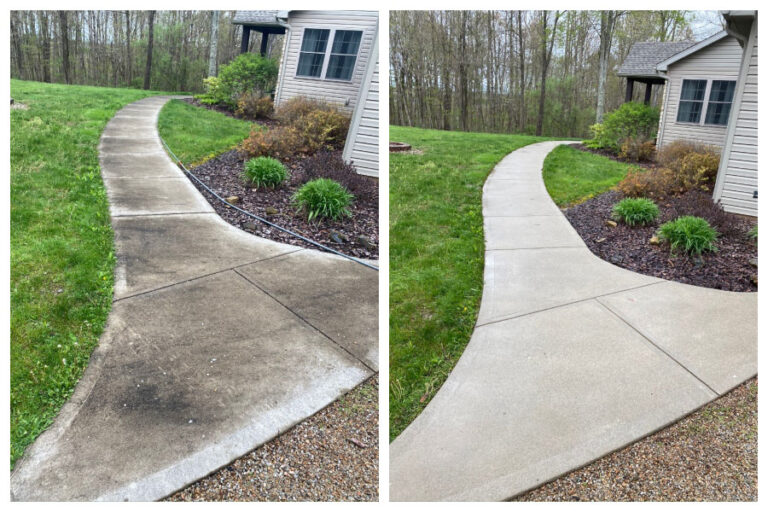
Other factors include accessibility, the condition of the floors, the amount of construction residue and whether external areas need attention. Additional services, such as pressure washing a driveway or cleaning windows beyond the standard scope, may be quoted separately.
When comparing quotes, ask what is included and whether the provider has inspected the property or assessed its condition. Check whether rubbish removal, internal cabinetry, window tracks and any specialist treatments are part of the agreed service.
A detailed quote is generally more useful than a low headline price that leaves important tasks unclear. It allows you to understand what you are paying for and make a fair comparison between providers.
Choosing a Reliable Cleaning Service in Geelong
For property owners, builders and businesses in Geelong, finding a suitable local cleaning provider can simplify the final stages of a construction or renovation project.
Look for clear communication, appropriate insurance, a defined scope of work and a willingness to discuss the surfaces and conditions involved. Ask how the team handles delicate finishes, construction residue and areas that may need specialist attention.
Local coverage is another practical consideration. A provider servicing Geelong, the Bellarine Peninsula and the Surf Coast may be well placed to discuss cleaning requirements for properties across these areas.
You can review the available cleaning and property maintenance options on the services page. Depending on the property, related services such as window cleaning, rubbish removal and pressure washing may also be worth discussing.
It is sensible to request a quote before setting a firm cleaning date. Share the approximate property size, the type of construction work completed, the current condition and your expected handover date. These details help the provider understand the job and recommend an appropriate scope.
Conclusion
Finishing the building work is an important milestone, but the property still needs attention before it is ready to welcome its occupants. Fine dust, marks on glass, residue around fittings and dirty floors can detract from the finished result, even when the construction itself has been completed to a high standard.
A planned Post-Construction Cleaning service helps address these final details, with cleaning methods selected to suit the surfaces and the condition of the property. By confirming the scope, arranging suitable access and allowing enough time before handover, you can make the final stage of your project easier to manage.
If your newly built or renovated property in Geelong, the Bellarine Peninsula or the Surf Coast needs a thorough final clean, contact Fresh Start Property Services to discuss your requirements. Visit the homepage to learn more about the available property services, or request a free quote and explain your project, location and preferred completion date.
Frequently Asked Questions
1. What is included in post-construction cleaning?
The service commonly includes removing construction dust, cleaning accessible surfaces, detailing kitchens and bathrooms, cleaning floors and addressing suitable marks on glass and fixtures. The exact scope depends on the property and the agreed package. Large waste removal, external windows and specialist stain treatment may need to be arranged separately.
2. How long does post-construction cleaning take?
The time required depends on the property’s size, the amount of dust and residue, the number of rooms and the level of detail needed. A small renovation may require considerably less time than a large new build or commercial fit-out. A provider can give a more useful estimate after assessing the site and understanding the requested tasks.
3. When should I book a construction clean?
Arrange the main clean after dusty construction activities and major installation work have finished, and before the planned handover or move-in date. If tradespeople return after the clean, additional dust or marks may appear. For larger projects, a rough clean followed by a final detailed clean can be a practical approach.
4. Is professional post-construction cleaning necessary after a small renovation?
Not always. A minor project may leave a manageable amount of dust that you can clean yourself. However, professional help may be worthwhile when dust has spread through several rooms, the property contains delicate new finishes or you need the space ready by a specific deadline. The decision depends on the scale of the work and your available time.
5. How can I get a quote for post-construction cleaning in Geelong?
Provide details about the property location, approximate size, type of construction or renovation, current condition and required completion date. Mention any special surfaces, window-cleaning requirements or waste that needs attention. These details help the cleaning provider assess the work and explain what is included in the proposed service.