Wheelie Bin Cleaning: A Practical Guide to Cleaner Bins
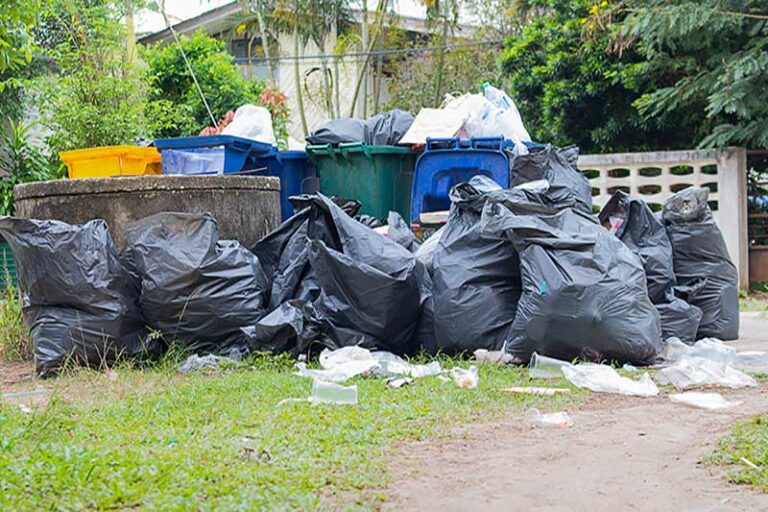
You usually notice a dirty wheelie bin before you think about cleaning it. Perhaps there is a sour smell every time you lift the lid, a sticky patch on the driveway, or flies gathering around the bin a day or two before collection. It is not a pleasant part of managing a property, but it is a problem most households encounter eventually.
Emptying the rubbish does not necessarily solve it. Food scraps leave liquid behind, rubbish bags split, and residue settles into the corners of the container. If the bin is left unwashed for weeks, that build-up can become difficult to remove with a quick rinse.
Regular wheelie bin cleaning helps deal with these everyday problems before they get out of hand. It can make bins more pleasant to use, reduce lingering smells and improve the condition of outdoor waste areas.
For homeowners, the job may be as simple as adding bin washing to the usual household cleaning routine. For landlords, property managers and businesses, it can require a more organised approach, particularly when several bins are used every day.
The aim is not to keep every bin looking brand new. It is to remove accumulated waste, maintain reasonable hygiene and stop an unpleasant chore from becoming a much bigger one.
What Makes Wheelie Bins So Dirty?
A wheelie bin collects far more than the rubbish you can see. Small amounts of food, liquid and dirt often remain after the contents have been emptied. Over time, these leftovers form a layer on the bottom and sides.
Food waste is a common cause. Meat packaging, leftover meals, fruit scraps and dairy products can leak into the container. Even a rubbish bag that appears intact may leave liquid behind when it is removed.
The weather can make matters worse. During hot Australian summers, unpleasant smells from decomposing waste may become noticeable much sooner than expected. A bin sitting in direct sunlight can be particularly unpleasant to open.
Then there are the areas people rarely inspect. The underside of the lid, the rim, the handle and the spaces around the wheels can collect grime. Because these spots are easy to overlook, they may remain dirty even after someone has washed the inside.
A quick splash of water is rarely enough when residue has dried onto the plastic. The dirt needs to be loosened and removed, and the container needs to drain properly afterwards.
Why Wheelie Bin Cleaning Should Be Part of Property Maintenance
A dirty bin is not necessarily a sign that someone has neglected their property. Everyday rubbish naturally leaves residue behind. The issue is what happens when that residue is allowed to accumulate.
Smell is usually the first warning. A bin that smells unpleasant shortly after collection may still contain old food liquid or other organic material. Washing the container can remove some of the material responsible for the odour.
Pests are another concern. Flies may be attracted to exposed food waste, while an accessible bin can encourage unwanted animals to investigate its contents. Keeping the lid closed and removing food residue helps make the area less inviting.
There is also the simple matter of comfort. Nobody wants to stand beside a foul-smelling bin while gardening, unloading groceries or enjoying an outdoor area. For businesses, an untidy waste area can affect the experience of staff, visitors and customers.
Regular cleaning is useful, but it should not be treated as a substitute for sensible waste management. Secure rubbish bags, suitable bin storage and timely collection all contribute to better results.
How Professional Wheelie Bin Cleaning Is Carried Out
The cleaning method depends on the bin’s condition. A container with a little dust needs less work than one containing dried food residue, thick grime or liquid that has been sitting at the bottom for several weeks.
The process generally begins with an inspection. This helps identify particularly dirty areas and determine whether ordinary washing is likely to be sufficient.
Loose debris is removed where necessary, and the inside of the bin is cleaned to loosen the residue. The lid, rim, handles and exterior should also receive attention. These areas are exposed to regular handling and can become dirty even when the interior looks reasonably clean.
The container is then rinsed to remove loosened material and remaining cleaning products. Depending on the service, an appropriate sanitising treatment may also be used. The product must be suitable for the intended application and used according to its instructions.
Drainage is an important final step. Water left in the bottom can mix with new waste and contribute to further odours, so the bin should be allowed to drain and dry before it is used again.
Professional cleaning is particularly useful when several containers need attention or when repeated household washing has failed to remove stubborn residue.
Before booking, ask the provider what its service includes. Some services may concentrate on the interior, while others also clean the outside, lid and handles. It is worth checking how wastewater is collected and disposed of, too.
DIY Wheelie Bin Cleaning or Hiring a Professional?
Many homeowners can manage occasional bin washing themselves. A pair of suitable gloves, a brush and an appropriate cleaning product may be enough for light residue.
The difficulty comes when the bin is heavily soiled, the smell keeps returning or several containers need to be cleaned. At that point, the time spent scrubbing and rinsing can become frustrating.
| Factor | Cleaning the bin yourself | Professional cleaning |
|---|---|---|
| Equipment | Household brush, gloves and suitable cleaning products | Equipment selected for the cleaning job |
| Time | Requires your own time for washing and drying | Reduces the time you spend on the task |
| Stubborn dirt | May need repeated scrubbing | Can involve a more thorough cleaning process |
| Multiple bins | Takes longer as the number of bins increases | Can be convenient for several containers |
| Odour problems | Depends on removing the residue causing the smell | Focuses on removing accumulated grime and residue |
| Wastewater | You must manage disposal correctly | Ask how the provider handles dirty water |
| Most suitable for | Occasional cleaning and light dirt | Regular maintenance or heavily soiled bins |
There is no need to hire a service every time a bin gets dirty. The sensible choice depends on how much cleaning is required and whether you have the time and equipment to do it properly.
For a household with one or two bins, occasional DIY washing may be manageable. A rental property with multiple containers, or a business that generates food waste daily, may benefit from scheduled professional cleaning.
How Often Should You Arrange Wheelie Bin Cleaning?
The answer depends on what goes into the bin and how quickly residue builds up.
A household that mainly disposes of dry packaging may not need to wash its bins as often as a family that regularly throws away food scraps. Businesses that handle food waste generally need to pay closer attention to their waste storage arrangements.
As a general starting point, inspect household bins every few weeks and clean them when you notice residue, liquid or persistent smells. Monthly washing may suit some households, but it is not a fixed rule for every property.
During warmer weather, check bins more frequently. If food waste is stored for several days, smells may develop before the next collection. Keeping the lid shut, using suitable bags and removing leaks promptly can help between washes.
Commercial properties should set their cleaning frequency according to the volume and type of waste they produce. A small office may have different needs from a café, takeaway business or shared residential complex.
Landlords and property managers can also include bin inspections in their routine maintenance schedules. Checking containers during property inspections or tenant changeovers makes it easier to spot problems before they become more difficult to deal with.
If the smell returns quickly after washing, do not automatically assume the bin needs cleaning every few days. Look for the cause. A cracked container, leaking rubbish bags, trapped water or food residue left in the lid may be contributing to the problem.
Simple Habits That Help Keep Bins Cleaner
A little care between washes can reduce the amount of scrubbing required later. These habits are easy to fit into an ordinary household or property maintenance routine.
- Check rubbish bags before disposal. If a bag is leaking, place it in a suitable replacement rather than allowing liquid to spread across the bottom of the bin.
- Keep food waste contained. Use appropriate bags or containers and follow local council guidance for food scraps and green waste.
- Close the lid after use. This helps keep rain, pests and unnecessary debris out of the bin.
- Avoid leaving the bin wet. After washing, allow it to drain and dry in a secure, ventilated spot.
- Clean fresh spills early. Residue is generally easier to remove before it dries and becomes firmly attached to the plastic.
- Inspect the lid and handle. These parts are often overlooked during cleaning but can collect grime through regular use.
- Store bins sensibly. A suitable shaded area may help reduce heat exposure, provided the location remains accessible and does not create a safety issue.
Take care when using cleaning products. Never mix bleach with ammonia, acids or other cleaning chemicals, as dangerous fumes may be produced. Follow the product label and keep children and pets away from the cleaning area.
Dirty water also needs attention. Water from bin washing may contain organic waste, dirt and cleaning products. Do not allow it to run into a street gutter or stormwater drain. Check the relevant council or environmental authority’s guidance for appropriate disposal.
The Environment Protection Authority Victoria provides information on environmental protection and pollution prevention that can help property owners understand their responsibilities.
Wheelie Bin Cleaning for Rental Properties
For landlords, the condition of the bins is one of those small details that can easily be missed when preparing a property for new tenants.
The house may have been cleaned, the garden tidied and the rubbish removed, yet the bins can still smell of the previous occupants’ food waste. A quick inspection before handover can help identify whether washing is needed.
Property managers can include bin condition in their end-of-tenancy and pre-occupancy checklists. This makes the process more consistent and reduces the chance of leaving an unpleasant surprise for incoming tenants.
The same approach works for holiday rentals. Frequent guest turnover can lead to inconsistent rubbish disposal, especially when guests leave food scraps shortly before checking out. Cleaning bins when needed helps maintain the overall presentation of the property.
Where several properties are managed, arranging maintenance in a planned schedule may be easier than responding to complaints about odours individually.
Why Businesses Need a Practical Bin Cleaning Routine
Commercial waste areas can become dirty quickly, particularly when several staff members use the same containers.
Food businesses have obvious reasons to monitor waste storage closely. However, offices, retail premises, warehouses and shared commercial buildings can also experience unpleasant smells and residue when bins are not maintained.
A cleaning schedule should reflect the type of rubbish produced, the number of users and any applicable hygiene requirements. Businesses should also ensure that waste is separated correctly and containers are not allowed to overflow.
For property managers responsible for common areas, a documented maintenance routine can make responsibilities clearer. It helps staff understand when bins should be inspected, who arranges cleaning and what action to take if a container is damaged.
A professional cleaning service may be useful when internal staff do not have suitable equipment or when the job needs to be completed regularly. Before arranging a service, confirm access requirements, scheduling, cleaning inclusions and wastewater handling.
Choosing a Wheelie Bin Cleaning Service
The cheapest option is not always the most suitable. A useful starting point is to find out exactly what the provider will do and whether the service matches your needs.
Ask whether the price covers the inside and outside of the bin, the lid and handles, and whether heavily soiled containers attract additional charges. If odour control is your main concern, explain how long the problem has been occurring and whether previous cleaning has helped.
For commercial sites and managed properties, reliability matters as well. You may need cleaning on a recurring schedule or at a particular time to avoid disrupting rubbish collection.
It is also reasonable to ask about cleaning products, equipment and wastewater disposal. A provider should be able to explain its approach without making unrealistic promises about eliminating every stain or preventing all future odours.
If you are arranging several property maintenance tasks at once, check the available cleaning and property services to see whether your requirements can be discussed together.
Conclusion
Wheelie bins rarely become dirty overnight. More often, the problem develops gradually as food scraps leak, residue settles at the bottom and moisture remains trapped after rubbish collection. By the time the smell becomes noticeable, a quick rinse may no longer be enough.
Regular washing, proper drying and sensible waste storage can keep the problem under control. The cleaning schedule does not need to be complicated; it simply needs to reflect how often the bin is used and what goes inside it.
For landlords, businesses and households managing several containers, professional assistance can save time and make routine maintenance easier to organise.
Fresh Start Property Services can discuss your property maintenance needs and help you explore suitable cleaning options. Visit the contact page to make an enquiry and request a quote.
A clean bin is a small detail, but it can make a noticeable difference to the way an outdoor space looks and smells.
Frequently Asked Questions
1. What does wheelie bin cleaning involve?
It generally involves removing accumulated dirt and residue from the bin’s interior and exterior. Depending on the service, the lid, handles and other affected areas may also be cleaned. Some providers offer additional sanitising treatments.
2. How often should wheelie bins be cleaned?
It depends on the waste stored and how quickly residue accumulates. Monthly cleaning may be a useful starting point for some households, while bins used for frequent food waste may need more attention. Inspect them regularly and adjust the schedule as needed.
3. Can cleaning get rid of persistent bin smells?
Cleaning can reduce odours by removing the waste residue responsible for them. However, smells may return if food liquids continue to leak, moisture remains trapped or rubbish is stored for too long. Proper drying and better waste handling can help.
4. Is it safe to clean a wheelie bin at home?
Yes, provided you use suitable products and follow their instructions. Wear appropriate gloves, avoid mixing chemicals and keep children and pets away from the cleaning area. Dispose of dirty water responsibly and do not direct it into stormwater drains.
5. How can I arrange wheelie bin cleaning in Geelong?
If you manage a home, rental property or business in Geelong, the Bellarine Peninsula or the Surf Coast, contact Fresh Start Property Services to discuss your requirements. You can use the online contact page to enquire about available services and request a quote.